
Could Your Desk Be Sabotaging Your Back? 7 Everyday Ergonomic Errors (and Easy Solutions)
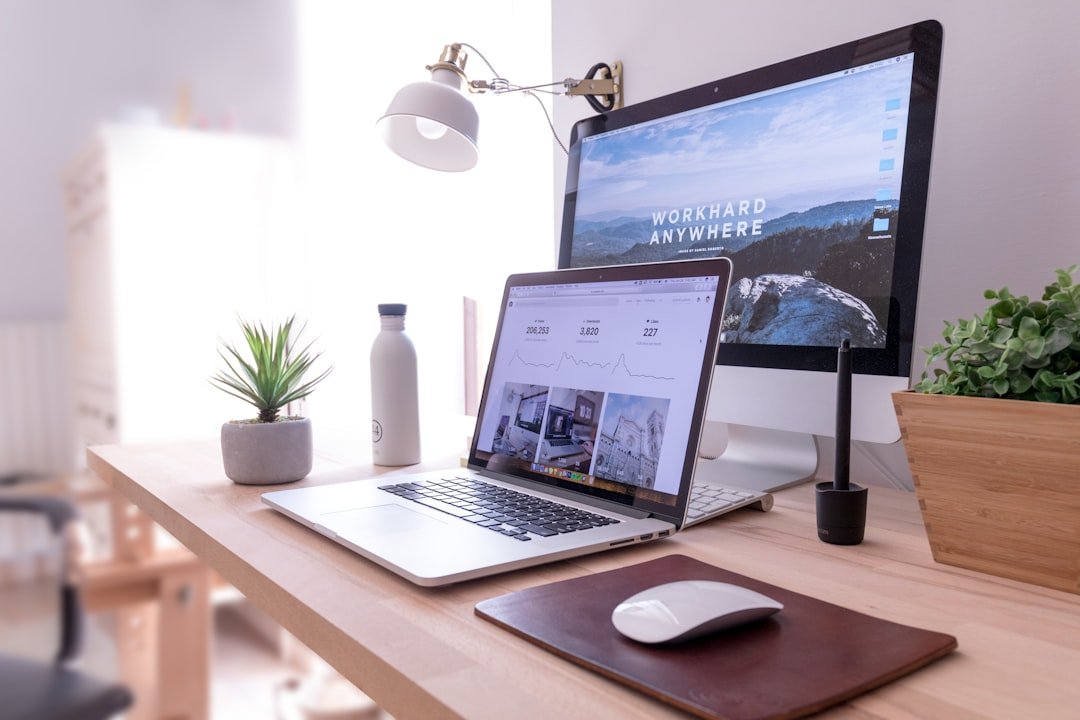
Happy New Year! It's January 2026, and if you're easing back into desk life after the holidays, that nagging lower back pain, neck stiffness, or shoulder tension might already be making an appearance. You're in good company, recent CDC data shows that 39% of U.S. adults experienced back pain in the past three months, with prolonged sitting being a top culprit behind chronic issues, reduced productivity, and billions in healthcare costs.
Poor ergonomics doesn't hit you all at once, it builds quietly, adding stress to your spine, muscles, and joints day after day. Slouching, a mismatched monitor, or reaching awkwardly can spike disc pressure, fatigue muscles, and even lead to headaches or radiating pain.
The upside? Small, evidence-based tweaks can cut your pain risk dramatically and help you feel better fast. Here's a clearer, more actionable guide to the 7 most common ergonomic mistakes office workers make and exactly how to correct them:
Skipping Proper Lumbar Support Most chairs don't adequately support your lower back's natural curve, leading to slumping and excess strain on discs and muscles.
Fix: Adjust your chair's lumbar support to fit snugly into the inward curve of your lower back (or use a small rolled towel/pillow). Aim for hips slightly higher than knees for better pelvic alignment.
Incorrect Chair Height Dangling feet or knees too high/low tilt your pelvis, putting direct stress on your lower back.
Fix: Adjust so your feet are flat on the floor (or on a footrest), knees at ~90°, and thighs parallel to the ground.
Monitor at the Wrong Height/Distance Looking down (or up) creates "forward head posture," adding pounds of strain to your neck and upper back.
Fix: Position the top of your screen at or slightly below eye level, about an arm's length away. For laptops, add an external stand, keyboard, and mouse.
Keyboard/Mouse Too Far or Poorly Positioned Reaching forward rounds your shoulders and strains your back and wrists.
Fix: Keep them close enough for 90° elbows and neutral wrists. Forearms should rest supported on the desk or armrests.
No Regular Movement Breaks Sitting statically for hours reduces circulation and fatigues muscles, amplifying stiffness.
Fix: Follow the 20-20-20 rule or stand/stretch/walk every 30-60 minutes. Consider a sit-stand desk for easy alternation.
Slouching or Leaning Forward This overworks back muscles as gravity pulls you out of alignment.
Fix: Sit fully back in your chair with ears aligned over shoulders, shoulders over hips. Use phone reminders or apps for posture checks.
Overlooking the Full Picture Fixing one thing isn't enough, poor lighting can cause squinting and hunching, while reaching/twisting for items adds strain.
Fix: Optimize lighting to reduce glare/eye strain, keep frequent items within easy arm's reach, and add daily core exercises (like planks) for long-term resilience.
Implementing these changes can transform your workday and slash pain risks. But if discomfort lingers even after optimizing your setup, underlying issues like spinal misalignment, scar tissue buildup, or muscle adhesions may need professional attention.
That's where Strive Total Wellness shines. Our expert chiropractors specialize in desk-worker pain, starting with gentle chiropractic adjustments. These precise, hands-on spinal manipulations restore proper alignment, relieve pressure on nerves and discs, reduce inflammation, improve joint mobility, and promote natural healing. These adjustments are particularly effective for posture-related issues from prolonged sitting, often providing quick relief from back/neck pain, headaches, and tension while enhancing overall energy and productivity.
We incorporate advanced techniques like:
Graston Technique: This instrument-assisted soft tissue mobilization uses specialized stainless steel tools to detect and break down scar tissue, fascial restrictions, and adhesions in muscles and tendons. By introducing controlled micro-trauma, it stimulates healing, increases blood flow, reduces inflammation, and improves range of motion which often leading to significant pain relief and better mobility in just a few sessions, especially for chronic lower back issues from prolonged sitting.
Active Release Technique (ART): A hands-on, movement-based therapy where the provider applies precise pressure to muscles, tendons, ligaments, and nerves while guiding you through specific movements. This releases trapped tissues, breaks up adhesions from repetitive strain (common in desk jobs), restores smooth gliding between structures, and quickly reduces pain while enhancing flexibility and strength which is ideal for posture-related neck, shoulder, and back tension.
We also provide personalized ergonomic assessments, custom corrective exercises, and posture coaching tailored to your exact workspace and habits—helping you build pain-free habits that last. Don't let 2026 be another year of desk pain. Many patients report real relief in just a few visits.
Ready for a pain-free workday? Book your ergonomic assessment and posture evaluation at Strive Total Wellness today. Your back (and productivity) will thank you! 💪