
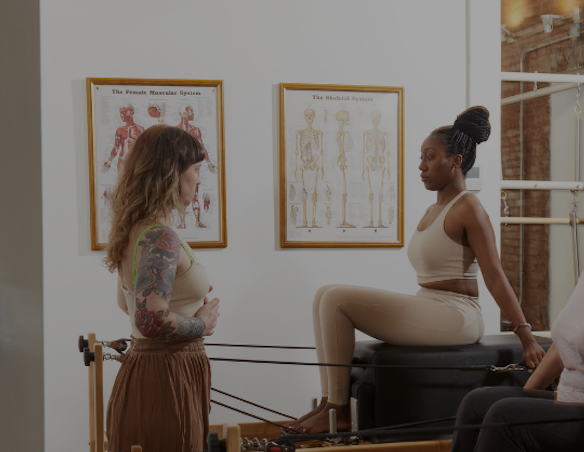
Core Strength & Better Posture: Discover the Transformative Benefits of Pilates
Slumped at your front desk, rubbing your lower back on a Tuesday - that familiar ache that seems to return week after week. You shift in your chair, hoping it will ease, but the tightness lingers from endless hours hunched over screens, juggling responsibilities, and pushing through days that leave little room for self-care. Sound familiar? For countless people navigating modern life, this low-grade discomfort has become the norm. But what if a gentle, mindful practice could interrupt that cycle and help you move through your days with greater ease, strength, and confidence? That’s the quiet power of Pilates: a transformative mind-body method that rebuilds you from the inside out.
Core Strength & Better Posture
Pilates centers on controlled movements, breathwork, and precision, with a strong emphasis on the “powerhouse” which are your deep core muscles including the abdominals, lower back, hips, and glutes. These muscles stabilize the entire body and support everyday function.
Science backs the strength gains. Studies show that healthy women practicing mat Pilates just three times a week for five weeks experienced notable improvements in abdominal endurance. Longer programs deliver even broader results: after 12 weeks, participants saw gains in core strength, lower limb strength, agility, flexibility, and balance [1].
These improvements translate directly to better posture. By strengthening and lengthening spinal muscles, Pilates helps counteract the forward slump common in desk-based lifestyles, reducing strain on the back and neck while helping you stand taller and feel more energized [2].
Relief from Back Pain and Enhanced Flexibility
That nagging lower back pain? Pilates offers real relief. Multiple studies and reviews confirm it significantly reduces chronic low back pain while improving physical function and quality of life. One analysis found it more effective than minimal intervention for pain reduction and disability in the short to intermediate term [3].
Flexibility benefits are equally impressive. Pilates improves hamstring, shoulder, and spinal mobility through dynamic, controlled stretching. A 12-week study on older adults showed notable increases in hamstring flexibility and shoulder mobility, supporting better daily movement and reduced injury risk [4].
These improvements translate directly to better posture. Pilates strengthens and lengthens spinal muscles, helping counteract the forward slump common in desk-based lifestyles, reducing strain on the back and neck while helping you stand taller and feel more energized.
Mental Health Boost: Less Stress, Anxiety, and Depression
Pilates goes beyond the physical. The focused breathing and mindful movement help regulate stress while boosting mood-enhancing chemicals.
Research highlights meaningful psychological benefits. A study found significant reductions in anxiety, depression, and somatization symptoms, along with better stress management. A 2018 meta-analysis reported Pilates reduced anxiety symptoms by about 31% and depressive symptoms by 29% in clinical populations. Even shorter programs can shift your outlook, lowering fatigue and improving emotional balance [5].
Additional Benefits: Balance, Body Composition, and Injury Prevention
Pilates enhances balance and coordination, which is crucial for fall prevention and functional mobility, especially as we age. Meta-analyses show moderate to strong improvements in dynamic balance [6].
For body composition, a meta-analysis of randomized trials found Pilates significantly reduces body weight, BMI, and body fat percentage in adults with overweight or obesity.
Its low-impact approach makes it ideal for rehabilitation, cross-training, and injury prevention by promoting balanced strength and joint stability.
Ready to Transform How You Feel?
The evidence is clear and growing: Pilates delivers measurable benefits for core strength, posture, back pain relief, flexibility, mental well-being, balance, and more — helping people reclaim comfort and vitality in their daily lives.
Don’t let another Tuesday ache pass by. Take the step that so many have found life-changing. Schedule a Pilates session today with Strive Total Wellness and start your own transformation!
Exclusive Offer for Strive Total Wellness Clients! Book a $50 Private Session with April Silverman, Founder & Owner of April Nicole Studios. email info@aprilnicolestudios.com to schedule. Train directly with April for expert, tailored guidance rooted in clarity, alignment, and mindful movement.
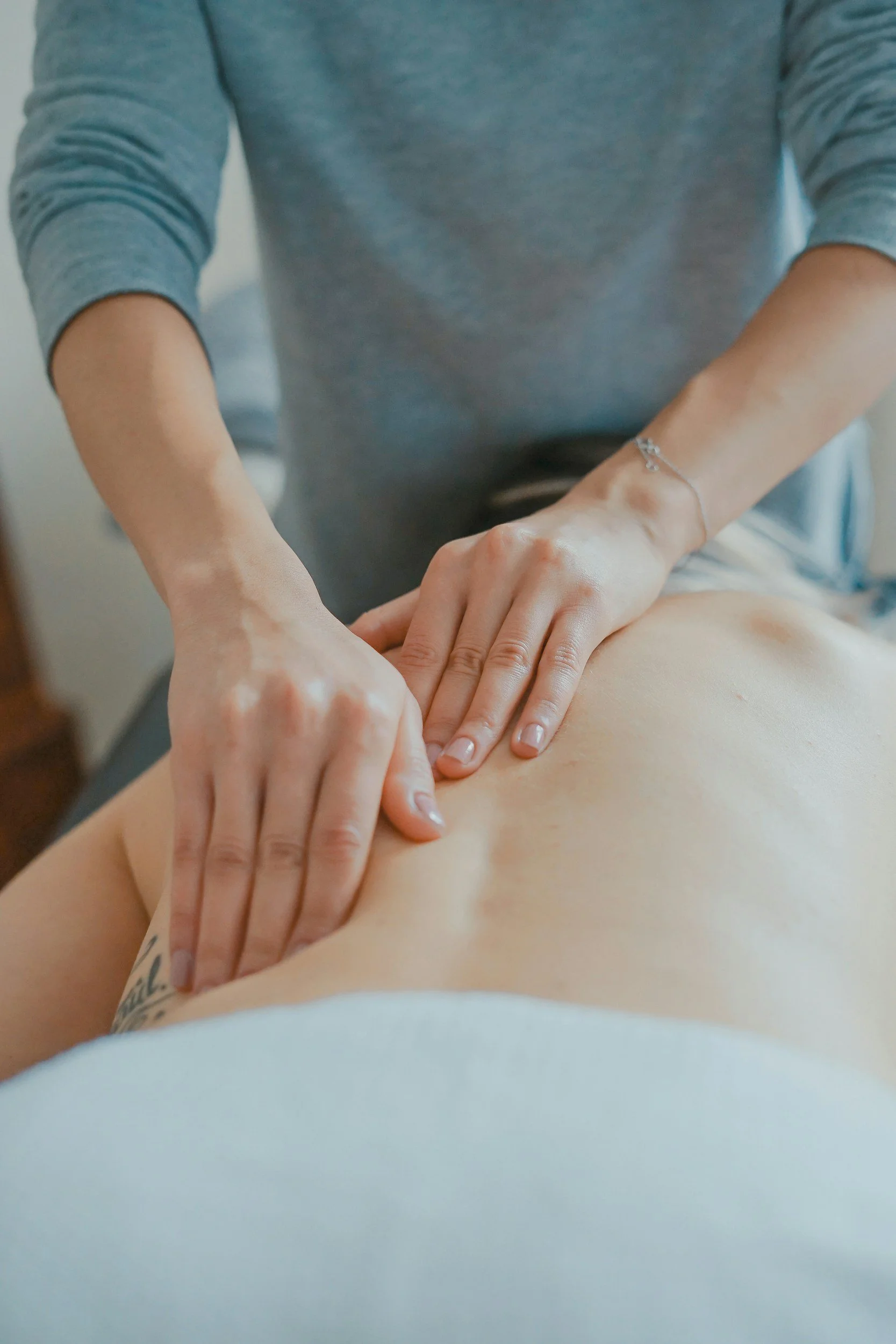
From Daily Tension to Lasting Relief: The Power of Regular Massage Therapy
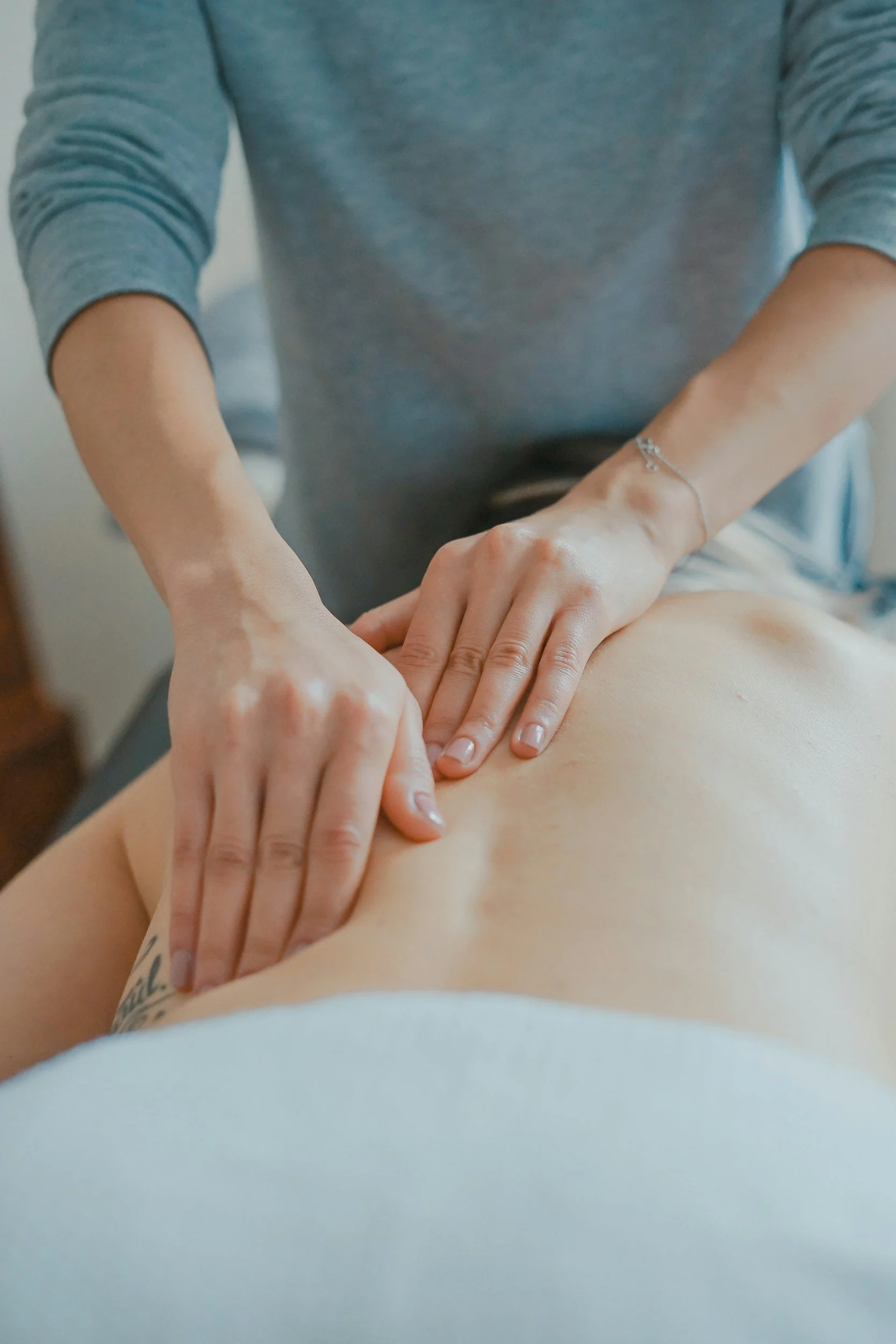
That nagging neck tension you’ve been carrying for months. The lower back that tightens up by midday. The shoulders that never fully relax — even when you’re trying to rest.
You’ve probably started to accept these as normal. Just part of being busy, staying active, and living a full life.
But they’re not normal. And one therapeutic massage session at Strive Total Wellness is often all it takes to remind your body what it’s supposed to feel like — lighter, looser, and truly at ease.
Massage therapy is one of the most evidence-supported tools in wellness and sports medicine, yet it remains surprisingly underused. When it becomes part of a consistent routine, the benefits reach far beyond simple relaxation.
Here’s what the research actually shows.
It Restores How Your Body Moves
Long hours at a desk, repetitive movements, and daily physical stress cause soft tissues to tighten. Muscles shorten, fascia loses elasticity, and joints lose their full range of motion. Over time, this creates stiffness, guarded movement, and the sense that your body is working harder than it should.
Therapeutic massage elongates muscle fibers, releases restricted connective tissue, and helps joints move freely again. Many patients report feeling noticeably lighter, more open, and mobile — often after just one session. With regular treatments, these gains continue to build [1].
It Gets Rid of Knots — For Real
Those tight, tender spots in your neck, shoulders, and upper back aren’t just “stress.” They are myofascial trigger points, areas where fascia has thickened and adhered, restricting movement and sometimes referring pain elsewhere in the body.
Our massage therapists use sustained pressure, cross-fiber friction, and myofascial release techniques to deactivate trigger points, break down adhesions, and restore normal tissue function. The relief is often immediate and deeply satisfying because it addresses the root physiological issue [2].
It Calms Your Nervous System
In today’s world, many of us live in a state of low-grade stress. The nervous system stays on alert, making it hard for the body to fully shift into repair and recovery mode.
Massage therapy helps change this by promoting relaxation by slowing heart rate, reducing muscle tension, and supporting a shift out of fight-or-flight. Research shows it can lower cortisol while increasing serotonin and dopamine — helping your body move into the restorative state where real healing occurs [3].
It Speeds Up Recovery
Whether you’re training hard, healing from an injury, or simply recovering from a demanding week, massage accelerates the process. Massage therapy boosts circulation to fatigued tissues, helps clear metabolic waste that contributes to soreness, and supports lymphatic flow to reduce inflammation and aid immune function.
That’s why athletes at every level incorporate regular massage as a serious recovery tool — not as a luxury, but as an essential part of staying at their best [4].
Who Benefits from Massage Therapy
Massage delivers noticeable results across many situations:
Active individuals and athletes: Faster recovery, improved performance, and lower injury risk
Office workers and commuters: Relief from postural strain, neck tightness, and tension headaches
Anyone dealing with chronic pain or low back issues: Targeted relief from ongoing muscle tension and stress
Postpartum patients: Whole-body recovery and nervous system support during a demanding transition
Patients in chiropractic or physical therapy: Massage enhances and prolongs the benefits of other care
How Often Should You Get a Massage?
For acute pain or injury recovery, more frequent sessions (short-term) often work best. For maintenance and overall wellness, most people see excellent results with a session every 2–4 weeks.
Our team at Strive Total Wellness will work with you to create a personalized plan that fits your body, goals, and schedule.
The real magic happens with consistency. A single session can feel transformative — but the cumulative effects of regular massage create lasting changes in how your body moves and feels.
Ready to stop normalizing tension and start feeling like yourself again?
Book your massage at Strive Total Wellness today. One session might be all it takes to remember what “normal” should actually feel like.
Use code STRIVE20 at checkout for 20% off your next massage session.
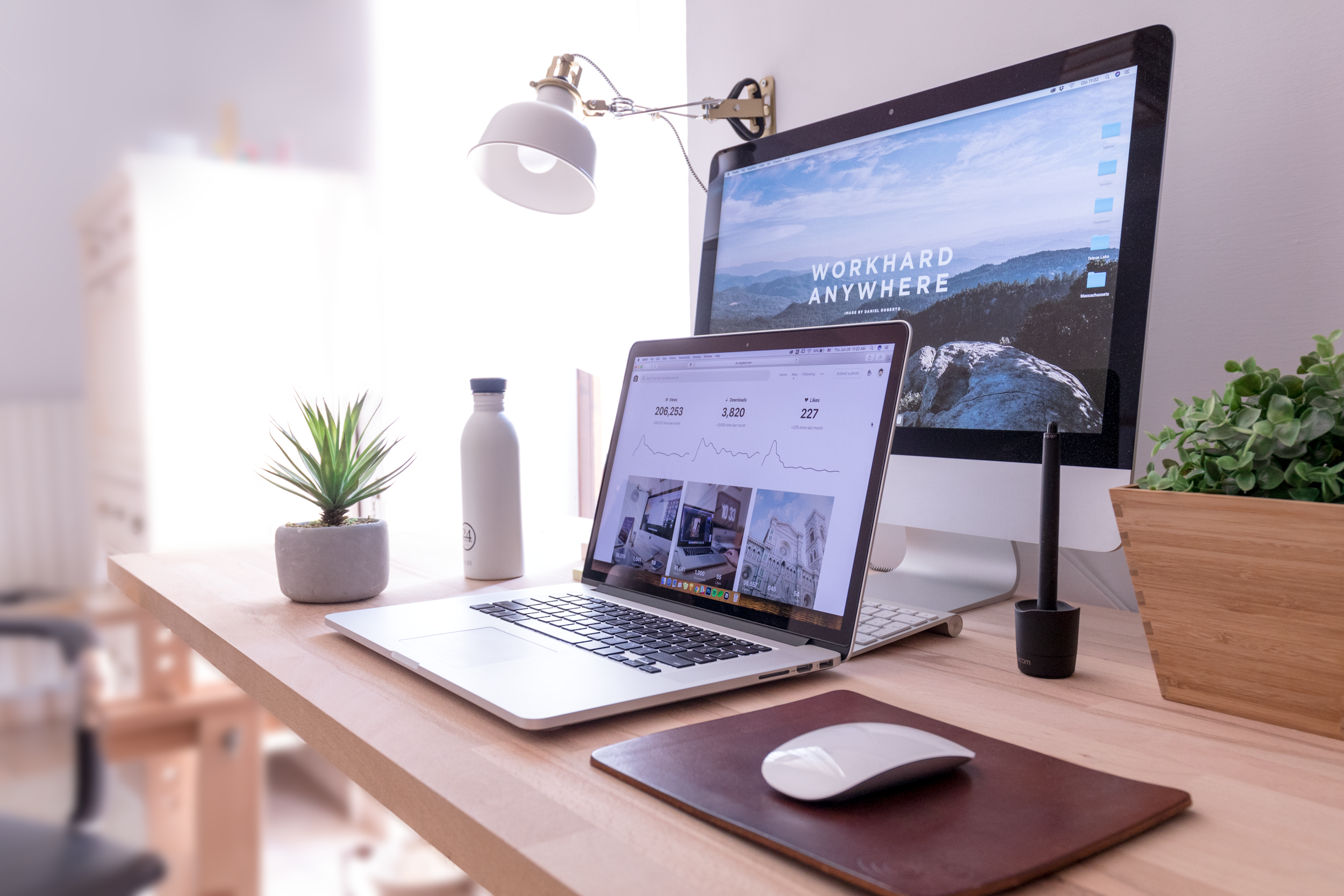
Could Your Desk Be Sabotaging Your Back? 7 Everyday Ergonomic Errors (and Easy Solutions)
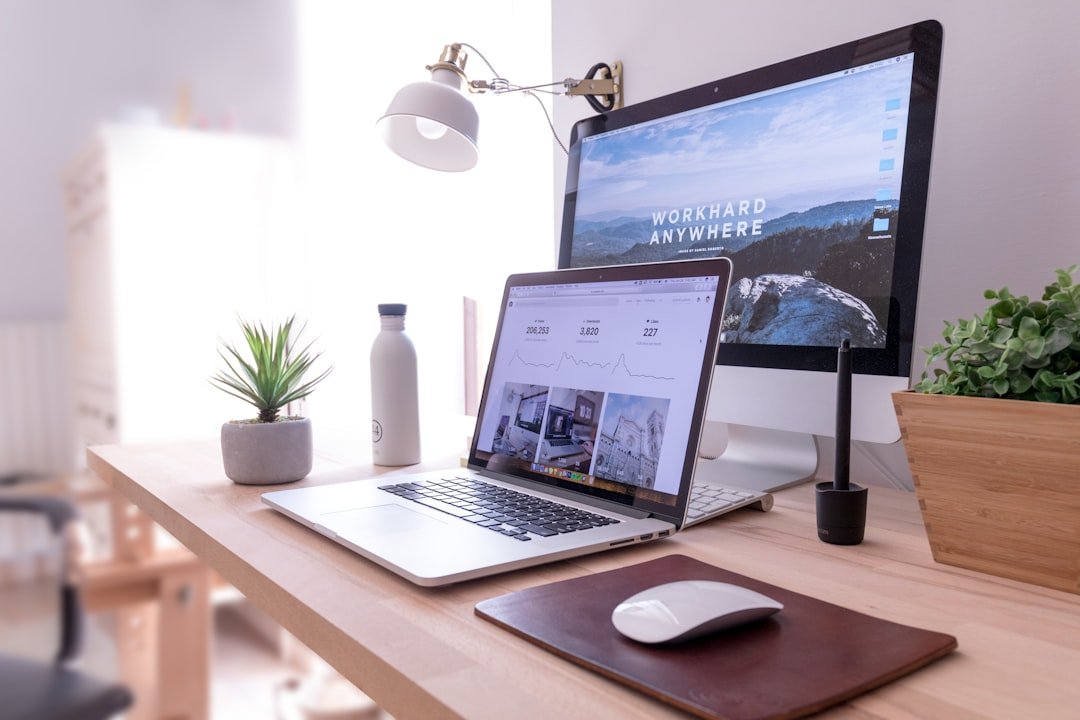
Happy New Year! It's January 2026, and if you're easing back into desk life after the holidays, that nagging lower back pain, neck stiffness, or shoulder tension might already be making an appearance. You're in good company, recent CDC data shows that 39% of U.S. adults experienced back pain in the past three months, with prolonged sitting being a top culprit behind chronic issues, reduced productivity, and billions in healthcare costs.
Poor ergonomics doesn't hit you all at once, it builds quietly, adding stress to your spine, muscles, and joints day after day. Slouching, a mismatched monitor, or reaching awkwardly can spike disc pressure, fatigue muscles, and even lead to headaches or radiating pain.
The upside? Small, evidence-based tweaks can cut your pain risk dramatically and help you feel better fast. Here's a clearer, more actionable guide to the 7 most common ergonomic mistakes office workers make and exactly how to correct them:
Skipping Proper Lumbar Support Most chairs don't adequately support your lower back's natural curve, leading to slumping and excess strain on discs and muscles.
Fix: Adjust your chair's lumbar support to fit snugly into the inward curve of your lower back (or use a small rolled towel/pillow). Aim for hips slightly higher than knees for better pelvic alignment.
Incorrect Chair Height Dangling feet or knees too high/low tilt your pelvis, putting direct stress on your lower back.
Fix: Adjust so your feet are flat on the floor (or on a footrest), knees at ~90°, and thighs parallel to the ground.
Monitor at the Wrong Height/Distance Looking down (or up) creates "forward head posture," adding pounds of strain to your neck and upper back.
Fix: Position the top of your screen at or slightly below eye level, about an arm's length away. For laptops, add an external stand, keyboard, and mouse.
Keyboard/Mouse Too Far or Poorly Positioned Reaching forward rounds your shoulders and strains your back and wrists.
Fix: Keep them close enough for 90° elbows and neutral wrists. Forearms should rest supported on the desk or armrests.
No Regular Movement Breaks Sitting statically for hours reduces circulation and fatigues muscles, amplifying stiffness.
Fix: Follow the 20-20-20 rule or stand/stretch/walk every 30-60 minutes. Consider a sit-stand desk for easy alternation.
Slouching or Leaning Forward This overworks back muscles as gravity pulls you out of alignment.
Fix: Sit fully back in your chair with ears aligned over shoulders, shoulders over hips. Use phone reminders or apps for posture checks.
Overlooking the Full Picture Fixing one thing isn't enough, poor lighting can cause squinting and hunching, while reaching/twisting for items adds strain.
Fix: Optimize lighting to reduce glare/eye strain, keep frequent items within easy arm's reach, and add daily core exercises (like planks) for long-term resilience.
Implementing these changes can transform your workday and slash pain risks. But if discomfort lingers even after optimizing your setup, underlying issues like spinal misalignment, scar tissue buildup, or muscle adhesions may need professional attention.
That's where Strive Total Wellness shines. Our expert chiropractors specialize in desk-worker pain, starting with gentle chiropractic adjustments. These precise, hands-on spinal manipulations restore proper alignment, relieve pressure on nerves and discs, reduce inflammation, improve joint mobility, and promote natural healing. These adjustments are particularly effective for posture-related issues from prolonged sitting, often providing quick relief from back/neck pain, headaches, and tension while enhancing overall energy and productivity.
We incorporate advanced techniques like:
Graston Technique: This instrument-assisted soft tissue mobilization uses specialized stainless steel tools to detect and break down scar tissue, fascial restrictions, and adhesions in muscles and tendons. By introducing controlled micro-trauma, it stimulates healing, increases blood flow, reduces inflammation, and improves range of motion which often leading to significant pain relief and better mobility in just a few sessions, especially for chronic lower back issues from prolonged sitting.
Active Release Technique (ART): A hands-on, movement-based therapy where the provider applies precise pressure to muscles, tendons, ligaments, and nerves while guiding you through specific movements. This releases trapped tissues, breaks up adhesions from repetitive strain (common in desk jobs), restores smooth gliding between structures, and quickly reduces pain while enhancing flexibility and strength which is ideal for posture-related neck, shoulder, and back tension.
We also provide personalized ergonomic assessments, custom corrective exercises, and posture coaching tailored to your exact workspace and habits—helping you build pain-free habits that last. Don't let 2026 be another year of desk pain. Many patients report real relief in just a few visits.
Ready for a pain-free workday? Book your ergonomic assessment and posture evaluation at Strive Total Wellness today. Your back (and productivity) will thank you! 💪

Stronger Bones, Pain-Free Joints, Zero Downtime: Our Top 5 Vitamin Stack
Whether you’re a competitive athlete hunting new PRs, a weekend warrior who refuses to let 40+ feel like 60, or just someone tired of waking up stiff and catching every bug - listen up!
You don’t need 20 bottles of random pills. You need the exact 5 things that turn “creaky and tired” into “strong, resilient, and unstoppable.”
Our clients have used this same stack to crush joint pain, build denser bones, recover faster, and sail through winter without a single sick day.
The Core 5: Your Body’s Ultimate Line of Defense
Vitamin D3 + K2 - In New York, from October to April, almost everyone is severely deficient because the sun is too low to trigger production. Low D = poor calcium absorption, weaker bones, achy joints, low energy, and a sluggish immune system. K2 directs calcium into bones and away from arteries. Studies show this combo increases bone density 2–3% in 1–2 years and lowers fracture risk [1].
Omega-3 Fish Oil - The single best daily tool we have for turning off chronic inflammation. These healthy fats get built right into your joint cartilage and muscle cell membranes, making everything glide better and hurt less. Real-world results: clients routinely drop morning stiffness, cut post-workout soreness by about 20–30%, and recover from hard training days faster. Studies back it up, omega-3s reduce inflammatory markers, protect cartilage, and even help preserve muscle mass as you age. Most people feel the difference in their joints within 2–4 weeks of hitting a solid daily dose. [2].
Curcumin - Shuts down the same inflammation signals that make your knees, back, or shoulders ache and stiff. In studies with over 2,000 people with knee arthritis, the enhanced forms of curcumin worked just as well as prescription anti-inflammatory drugs (like diclofenac or high-dose ibuprofen), but people felt better without the usual side effects [3]. Many of our clients notice less morning stiffness and soreness in 4–8 weeks.
Magnesium Glycinate - Over 60% of adults are deficient. Magnesium relaxes muscles, deepens sleep, activates vitamin D, and strengthens bone structure. Glycinate form absorbs best and calms the nervous system promoting restful sleep. Proven to stop cramps and restless legs in weeks [4].
Multi-Strain Probiotic - True joint and immune health begins in the gut. A balanced microbiome lowers systemic inflammation, boosts mineral absorption (calcium, magnesium, D), and produces anti-inflammatory compounds that protect cartilage. Meta-analysis of 12 trials: cuts upper-respiratory infections by 47% [5].
Winter Immune Superchargers (Oct–Mar)
Vitamin C - The only nutrient proven in the general population to shorten cold duration and severity by 15% [6].
Zinc - Blocks viral replication at the first sign of symptoms — cuts cold length by 33% when started early [7]. Pro tip: Take zinc at dinner, away from calcium, iron, or high-fiber foods for best absorption.
Your Straightforward Daily Routine
Breakfast → D3+K2 · Probiotic
Lunch/Dinner → Omega-3 · Curcumin · Vitamin C
Dinner → Zinc
Bedtime → Magnesium glycinate
Ready to feel stronger, looser, and bulletproof this winter — starting tomorrow?
Swing by Strive Total Wellness to grab the practitioner-grade bottles we trust, or order the full stack 24/7 through our online vitamin dispensary.
Want it 100% dialed in to your bloodwork? Want even more customization for your exact vitamin routine and lifestyle? Schedule a functional medicine/nutrition consult — we’ll build you the perfect protocol tailored to you!
Disclaimer: Not medical advice. Consult your healthcare professional.

5 Chiropractic Hacks to Crush Holiday Travel Without the Back Pain
Picture this: You're buckled into a cramped airplane seat, the kind that feels like it was designed by someone who hates spines. Three hours in, your lower back starts whispering threats, and by the time you land, it's screaming. Your suitcase? That 50-pound beast you wrestled from the carousel now has you walking like a question mark. We've seen it firsthand in the clinic—patients, who flew home for Thanksgiving last year. Ignoring the warning signs during a 5-hour flight, hauled an overstuffed bag overhead, and ended up sidelined from family fun with debilitating pain. According to the Global Burden of Disease study, low back pain is the leading cause of disability worldwide, affecting 619 million people in 2020 alone—and holiday travel spikes it by turning everyday movements into spine sabotage [1].
But it doesn't have to be you. As chiropractors at Strive Total Wellness, we've helped thousands dodge low back pain. Here are five evidence-based tips to keep your spine happy through airport chaos, endless car rides, and luggage wars. Backed by stats, these aren't guesses—they're game-changers.
1. Prep Your Body Like a Pro Athlete (Because Travel Is a Sport)
Up to 80% of travelers experience musculoskeletal pain from prolonged sitting, per a study in the Journal of Travel Medicine [2]. Don't wing it—warm up.
Start with a 10-minute dynamic routine: cat-cow stretches, hip circles, and shoulder rolls. Research from the American Chiropractic Association shows pre-travel mobility work reduces injury risk by 30%. Pack a resistance band for hotel room activation. Pro tip: Do this the night before and morning of departure. Your spine will thank you when you're not stiff as a board mid-flight.
2. Master the Art of Sitting (Yes, There's a Right Way)
The average holiday road trip lasts 4.5 hours, and flights average 2.5 hours domestically. Bad posture in those seats? Instant disc compression.
Use a lumbar roll or rolled towel at your lower back's curve—studies in Spine Journal [3] found this maintains neutral alignment and cuts pain by 50%. Every 30 minutes, do a seated pelvic tilt: arch and round your back 10 times. On planes, request an aisle seat for micro-movement. Data from the North American Spine Society indicates frequent position shifts prevent 70% of travel-related back strains.
3. Lift Luggage Like Your Back Depends on It (It Does)
Improper lifting causes 1 in 5 back injuries, with baggage handling a top culprit [4]. That heavy suitcase? Don't bend at the waist.
Squat with feet shoulder-width, grip close to your body, and lift with legs—keeping the load under 50 pounds if possible [5]. A 2021 study in Ergonomics showed proper form reduces spinal load by 40%. Use a backpack for even weight distribution; wheeled bags are gold if you roll, don't drag. At the airport, curbside check-in saves your discs.
4. Hydrate and Fuel for Spinal Resilience
Dehydration shrinks spinal discs by up to 20%, amplifying pain during travel. Aim for 8-10 glasses of water daily, more at altitude where cabin humidity drops to 10-20% [6].
Snack on anti-inflammatory foods: nuts, berries, and turmeric tea. A meta-analysis in Pain Medicine [7] linked hydration plus omega-3s to 35% less inflammation-related back pain. Skip the airport booze—alcohol dehydrates and loosens form, upping injury odds.
5. Incorporate Mid-Travel Resets (Your Secret Weapon)
Stagnation breeds pain: 60% of long-haul flyers report stiffness without movement [8]. Build in resets.
Walk the terminal every hour, or do standing marches in your car at rest stops. Foam roll layovers if you pack a mini roller. Chiropractic-approved: Mid-flight, try ankle pumps and neck rolls to boost circulation by 25% [9].
🚨 Printable Travel Spine Checklist (Screenshot This!)🚨
BEFORE YOU LEAVE
60-sec warm-up (cat-cow + hip circles)
Lumbar roll + resistance band packed
Bag <50 lbs (weigh it!)
IN TRANSIT
Water: 1 glass/hour
Every 30 min: Pelvic tilts x10
Quick stretch:
→ Seated: Forward fold (20s)
→ Standing: Shoulder squeeze x10
LUGGAGE MODE
Squat lift (legs, not back)
Backpack or wheels only
Ask for help >30 lbs
LANDING RECOVERY
5-min walk + full stretch
Ice sore spots (10 min)
Book your post-travel tune-up
Holiday travel doesn't have to end in pain—arm yourself with these tips and arrive ready to celebrate, not recuperate. Ready to bulletproof your spine? Book a Travel-Ready Chiropractic Tune-Up at Strive Total Wellness—we’ll map your custom plan so you crush the trip and the turkey trot.
🔥 END-OF-YEAR PROMO ALERT: We’re running a limited-time special—perfect for locking in pain-free adventures before 2026 hits. Reply to this email and we’ll hook you up with exclusive savings. 🔥
Disclaimer: Not medical advice. Consult your healthcare professional before trying new exercises.

Strive for Greatness: How We Can Keep You Running Strong!

As marathon season ramps up in the fall of 2025, runners everywhere are lacing up their shoes, logging miles, and pushing their bodies to new limits. Whether you're training for your first 26.2 or chasing a personal best, the demands of endurance running can lead to aches, imbalances, and injuries that sideline even the most dedicated athletes. The good news? Incorporating chiropractic care, physical therapy, and nutritional services into your routine can be a game-changer. These complementary approaches, enhanced by advanced technology and specialized techniques, not only help prevent issues but also maximize performance and recovery. At Strive Total Wellness, we tailor each treatment plan to your unique needs, ensuring you get the most out of every session. In this post, we'll explore how these services work together to support marathon runners like you.
Understanding the Toll of Marathon Training
Marathon training isn't just about endurance—it's a full-body challenge. Common issues include lower back pain, hip tightness, knee problems, and muscle imbalances from repetitive motion. Without proper care, these can escalate into serious injuries like IT band syndrome or stress fractures. Additionally, poor nutrition can lead to fatigue, poor recovery, and diminished performance. The key is proactive management, and that's where our integrated approach shines.
The Power of Chiropractic Care for Runners
Chiropractic adjustments focus on aligning the spine and joints, crucial for runners who rely on efficient biomechanics. Regular visits can improve hip extension, leading to better stride efficiency and reduced effort during runs. They also enhance posture, prevent injuries, and boost overall performance by loosening joints and increasing flexibility.
We enhance our chiropractic care with advanced technologies and specialized techniques, including:
Infrared Cupping: Promotes blood flow and reduces muscle tension for faster recovery.
Thermostim Probe: Combines heat and electrical stimulation to target deep tissue pain and improve mobility.
Graston Technique (Scraping): Breaks down scar tissue and fascial restrictions to enhance range of motion.
Active Release Technique (ART): Targets soft tissue to release adhesions and improve muscle function.
Each treatment plan is tailored to your specific needs, ensuring maximum benefits for your training and recovery.
Key benefits include:
Pain Relief and Injury Prevention: Adjustments and advanced techniques relieve discomfort in areas like the back and hips, reducing the risk of overuse injuries.
Faster Recovery: Less soreness after long runs means you can get back to training sooner.
Improved Mobility: Enhanced joint function and nervous system performance help you run smoother and faster.
For marathoners, seeing a chiropractor before race day can optimize your form and keep minor issues from becoming major setbacks.
Physical Therapy: Building Strength and Resilience
Physical therapy (PT) complements chiropractic care by addressing muscle strength, flexibility, and movement patterns through targeted exercises and cutting-edge tools. Our PT programs utilize advanced technology like NormaTec compression therapy to enhance circulation and speed up recovery. They also incorporate specialized techniques such as Graston and Infrared Cupping to address soft tissue issues, ensuring each plan is customized to your unique biomechanics and training goals.
During marathon prep, PT can include:
Custom Exercises: Moves like single-leg squats or hip strengthening drills prevent injuries and improve efficiency.
Recovery Strategies: Post-race, NormaTec and gentle rehab reduce inflammation and aid tissue repair in the first 7-10 days.
Biomechanical Analysis: Therapists assess your gait to fix issues like overpronation, helping you run stronger and longer.
Adding PT to your schedule lowers the risk of musculoskeletal pain and pushes your physical limits safely, with personalized plans designed for your body.
Nutritional Services: Fueling Your Marathon Journey
Proper nutrition is the foundation of marathon training, ensuring your body has the energy and nutrients to perform and recover. At Strive Total Wellness, our nutritional services are conducted by our certified functional medicine practitioner, who takes a holistic, science-based approach to personalize your fueling strategy. By addressing your unique physiology, lifestyle, and training demands, our practitioner creates tailored plans to optimize performance and recovery.
Key aspects of nutritional services include:
Optimized Energy Intake: A personalized plan with the right balance of carbohydrates, proteins, and fats to sustain energy and promote recovery, including carb-loading strategies before race day.
Recovery Nutrition: Post-run meals rich in protein and anti-inflammatory foods (like berries or omega-3-rich fish) to repair muscles and reduce soreness.
Supplements (if needed): Safe, evidence-based recommendations for supplements like electrolytes or branched-chain amino acids to support performance.
Consultations with our certified functional medicine practitioner ensure your diet evolves with your training phases, from base building to tapering, keeping you energized and resilient.
Integrating Chiropractic, PT, and Nutrition for Ultimate Endurance
The real magic happens when you combine these three pillars, enhanced by advanced technology and specialized techniques. Chiropractic care restores alignment and reduces pain, physical therapy builds strength and mobility, and nutritional services provide the fuel to keep you going. This synergistic approach helps maintain efficient movement, reduces stress on the body, and speeds up recovery from conditions like lower back pain or muscle strains.
For example, a chiropractor might use infrared cupping and ART to improve nerve function and release muscle tension, followed by PT sessions with NormaTec and targeted exercises to enhance flexibility. Meanwhile, our functional medicine practitioner ensures you're fueling properly to support these therapies, with meals timed to maximize recovery. Many athletes report better focus, reduced stress, and improved performance when integrating all three.
Take the Next Step with Strive Total Wellness
Ready to run your best marathon yet? At Strive Total Wellness, we offer expert chiropractic care, physical therapy, and nutritional services tailored to runners, using advanced technologies alongside specialized techniques. Our team creates customized treatment plans to optimize your performance, prevent injuries, and support you from training to race day. By addressing alignment, strength, and fueling holistically, you'll not only cross the finish line but do so feeling stronger than ever. Lace up, stay aligned, fuel smart, and run your best race yet! Don’t wait for pain or fatigue to slow you down! Book Now!